The Nest
Project Overview
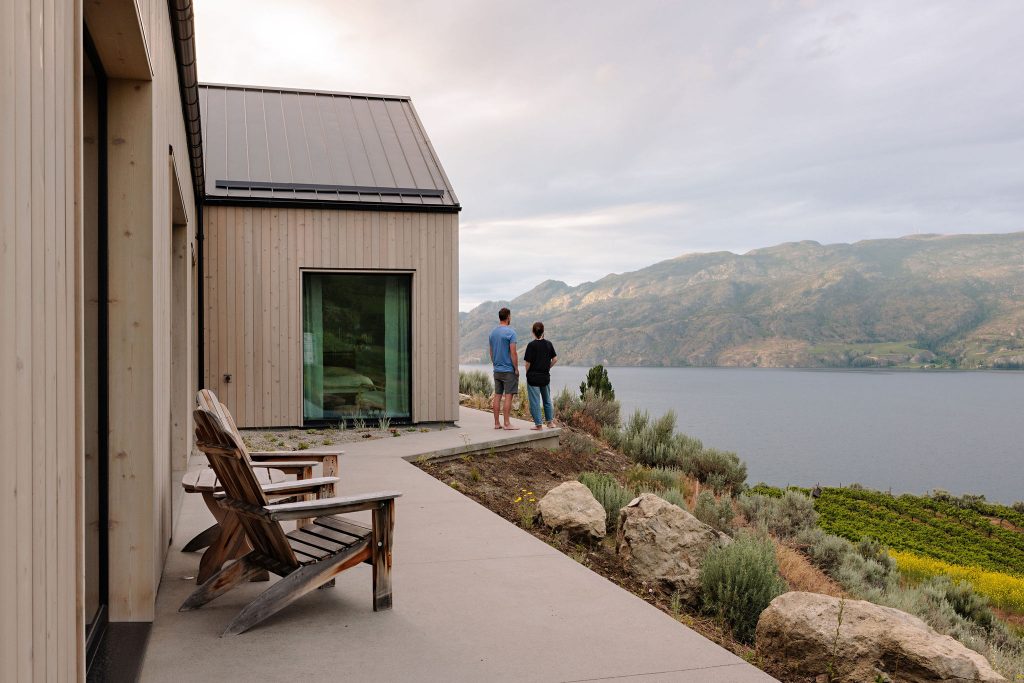
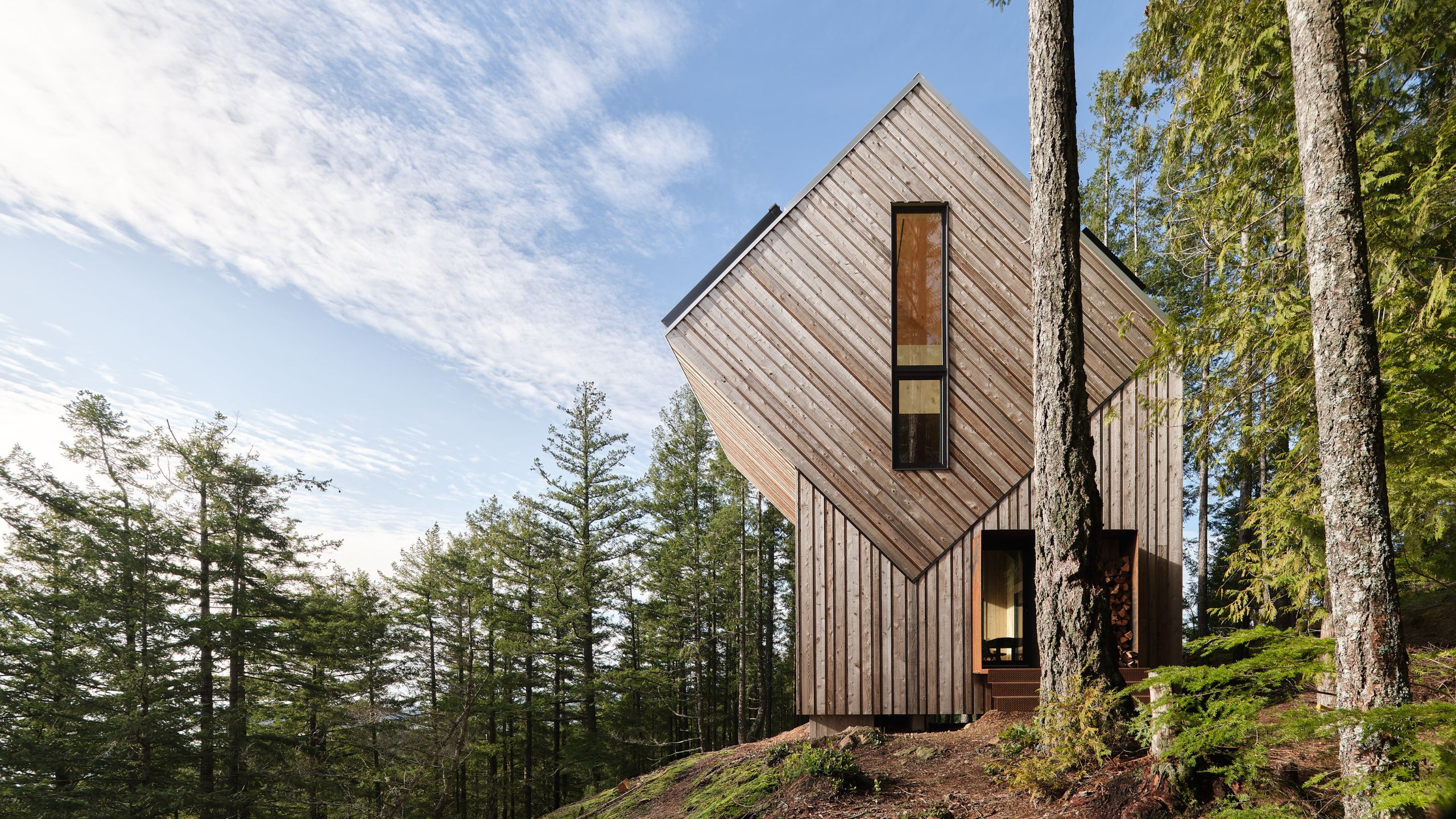
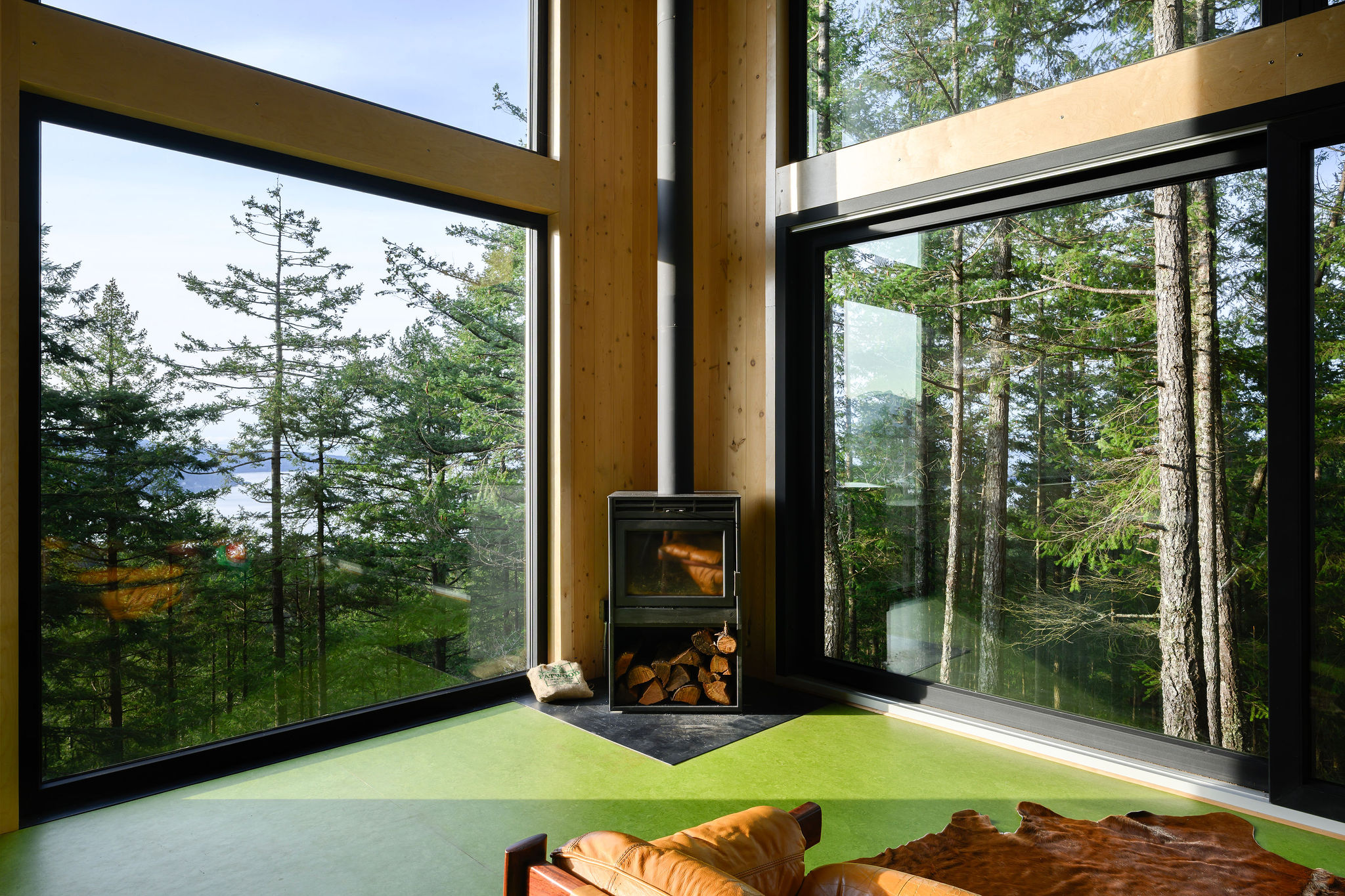
Nestled on Keats Island, the Nest is an award-winning home that redefines remote sustainable living. Expansive high-performance glazing and tilt and turn window systems frame picturesque views of Howe Sound, bringing the natural landscape into every corner of the home.
Quick facts
Keats Island, British Columbia
Custom Home
Solar Energy
Tilt and Turn Systems

Sustainability at Heart
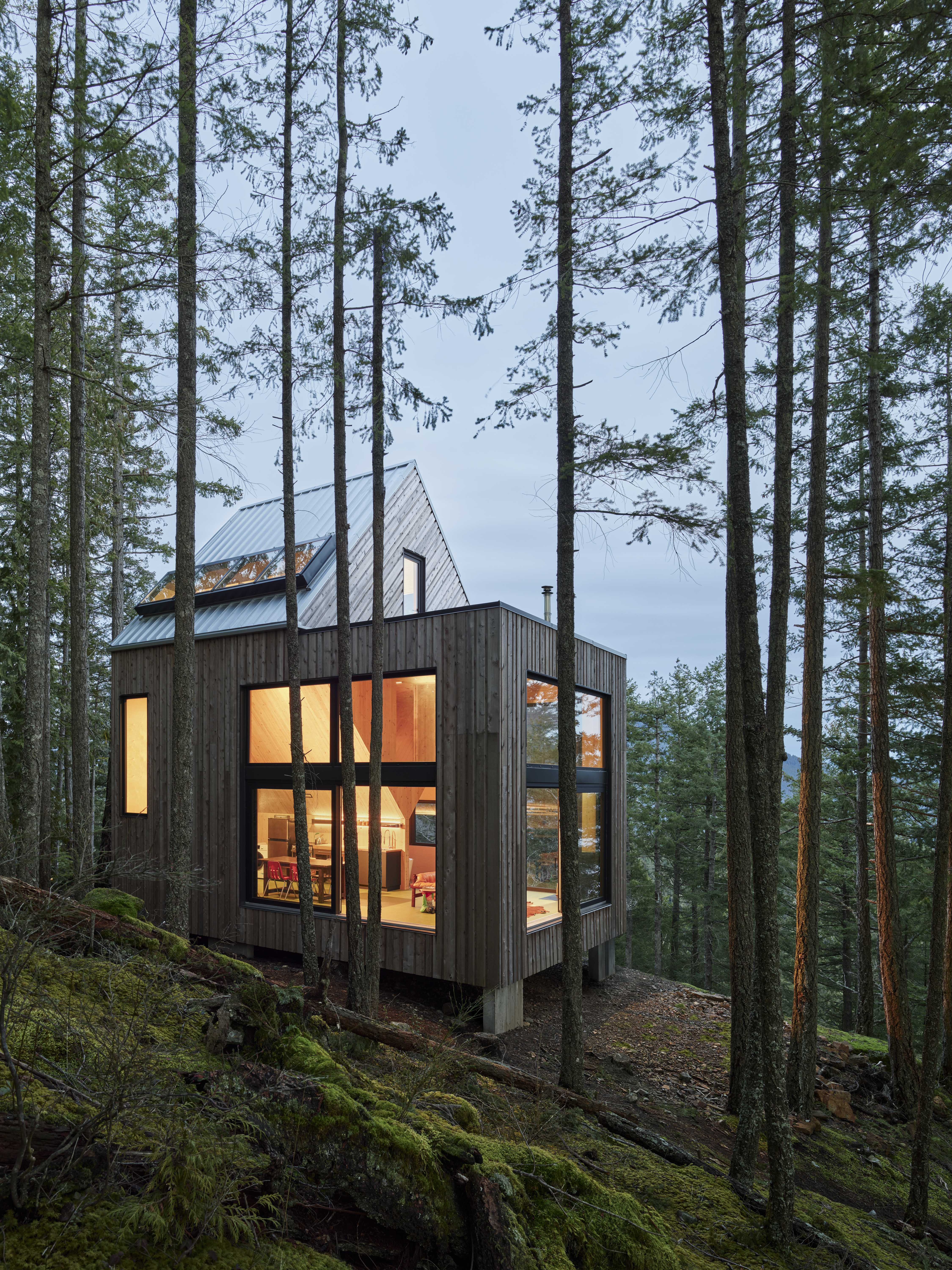
The off-grid home operates solely by solar energy and is fully self-sufficient. In collaboration with BC Passive House, every element, from the home’s energy systems to water and design was carefully considered. Sustainability was at the heart of the project and thoroughly integrated from all angles. The thoughtful architecture is unique and rare, redefining sustainable living. The angular mass timber structure is nestled in the forest, offering guests the feeling of being on their own private island, a luxury in itself. A glance through the angled windows reveals panoramic mountain views.

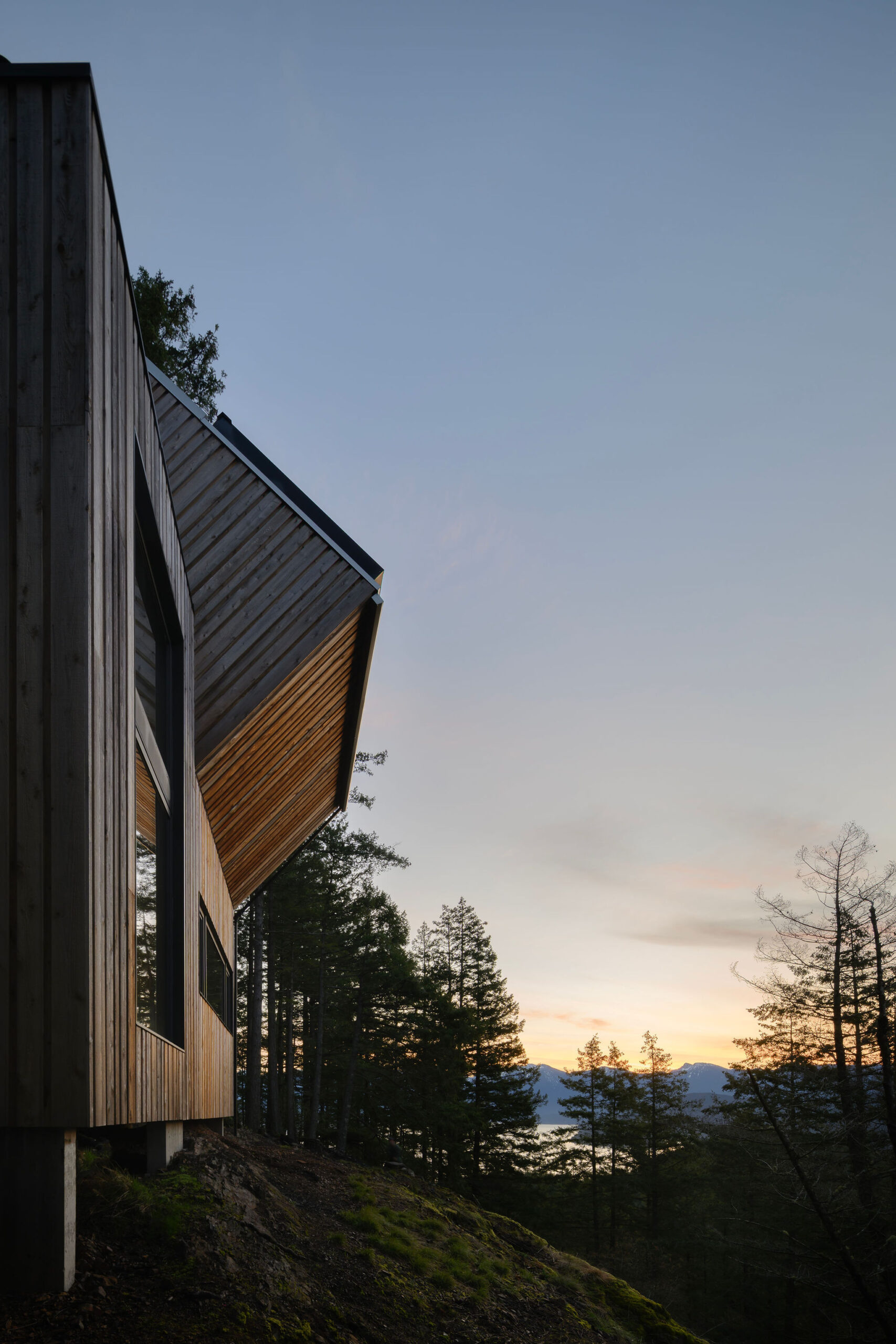

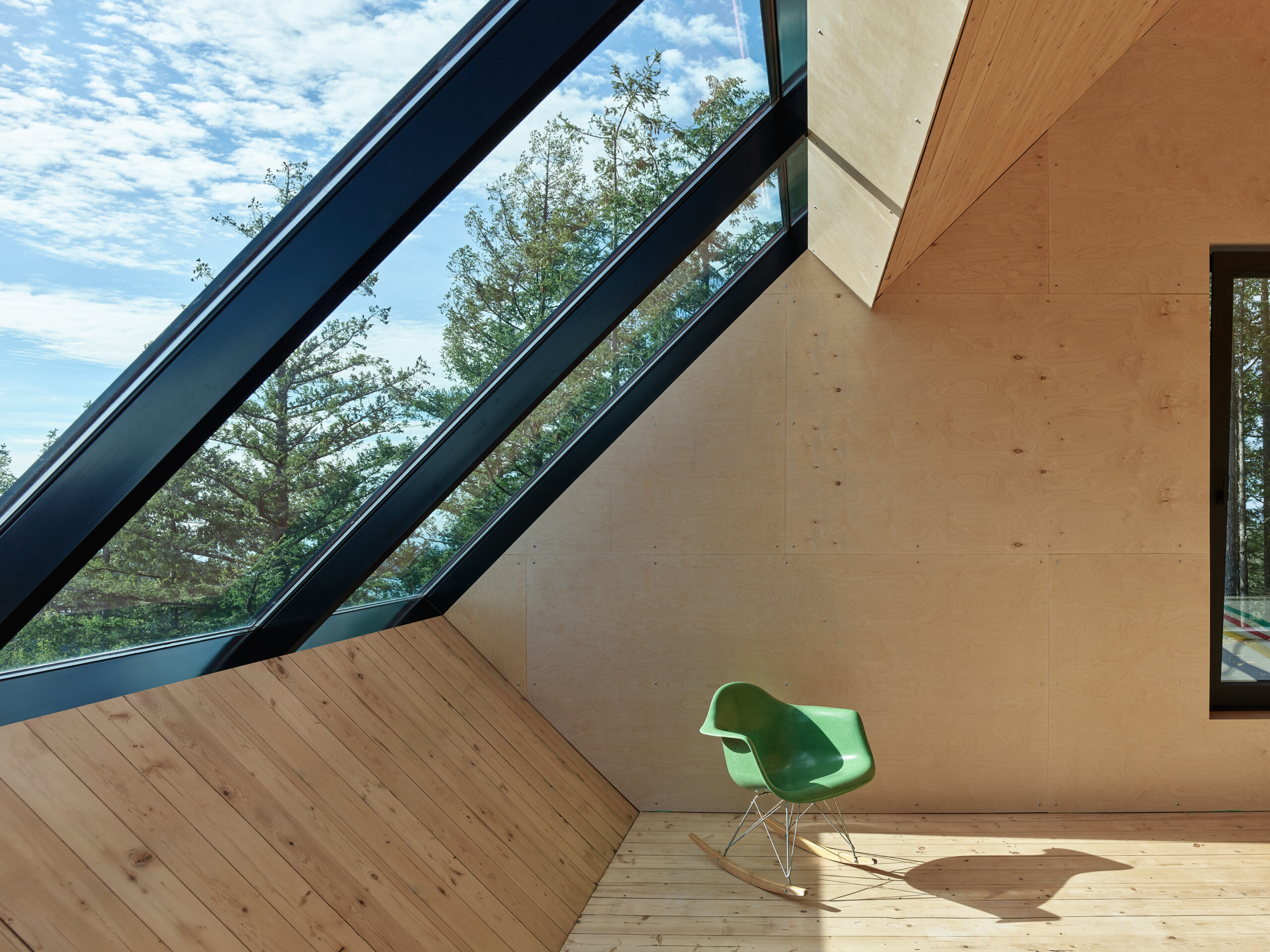

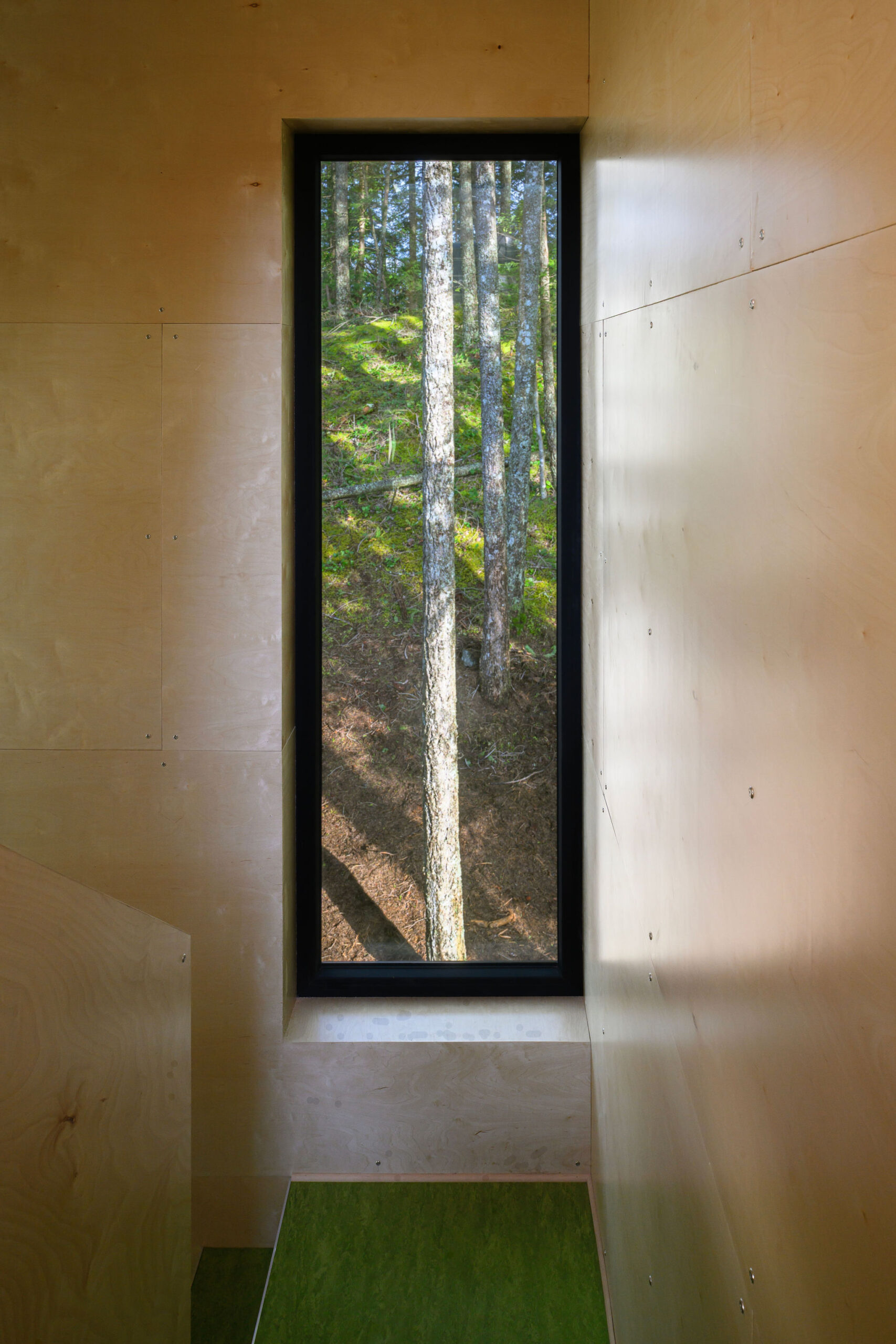
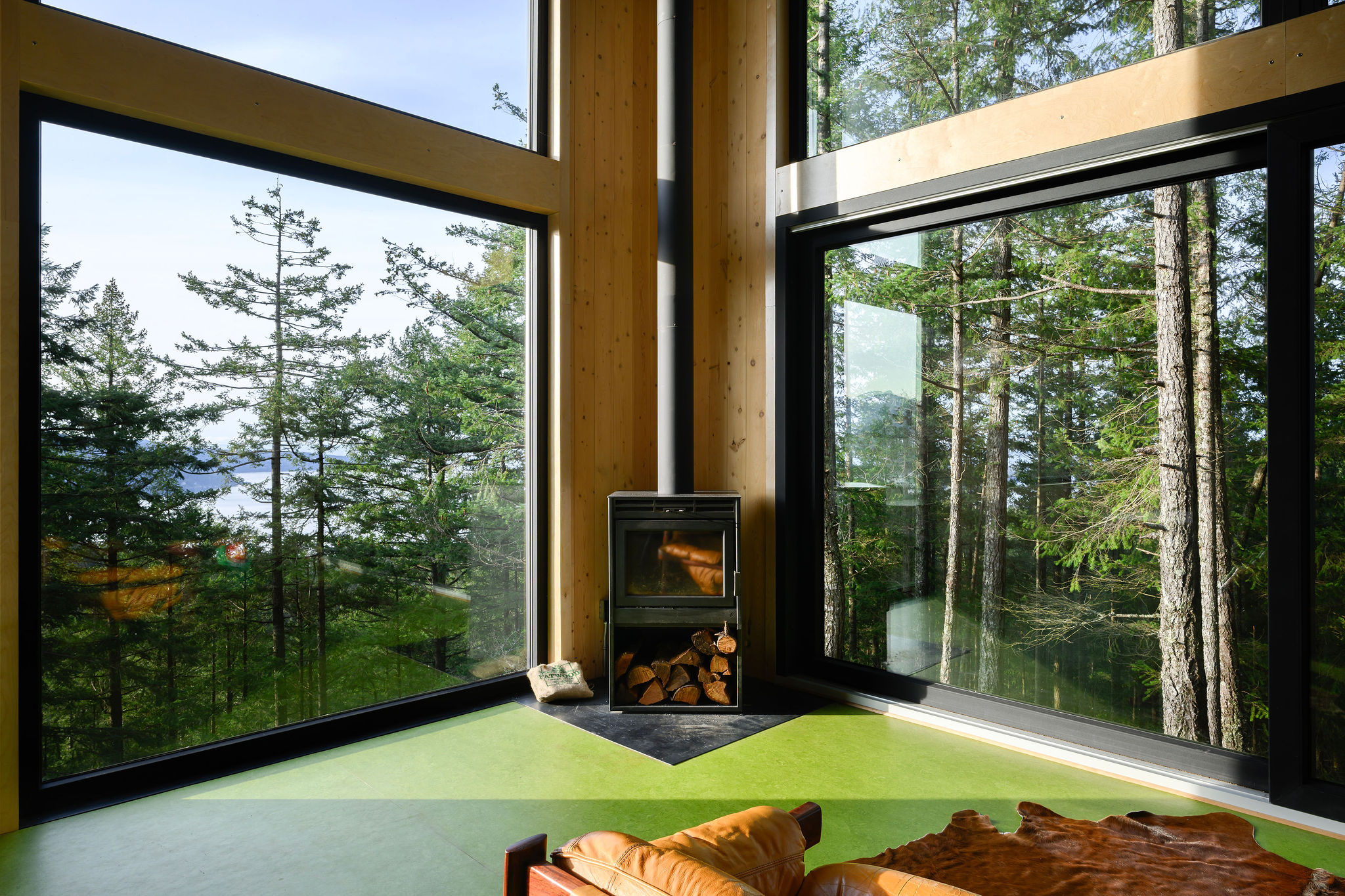


Beyond its whimsical form, it sets a new benchmark for sustainable prefabricated design in remote locations, one that forges a deep connection to place without sacrificing aesthetics.”
– Yatzer
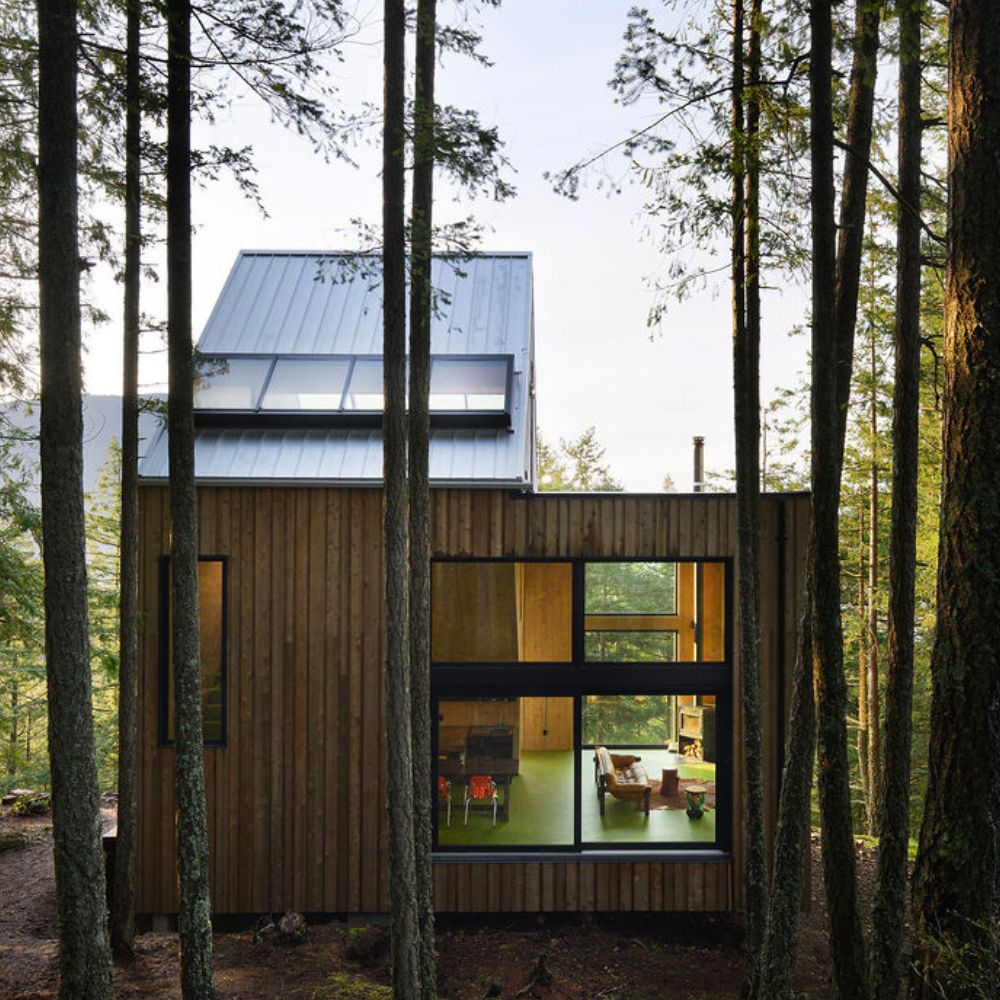
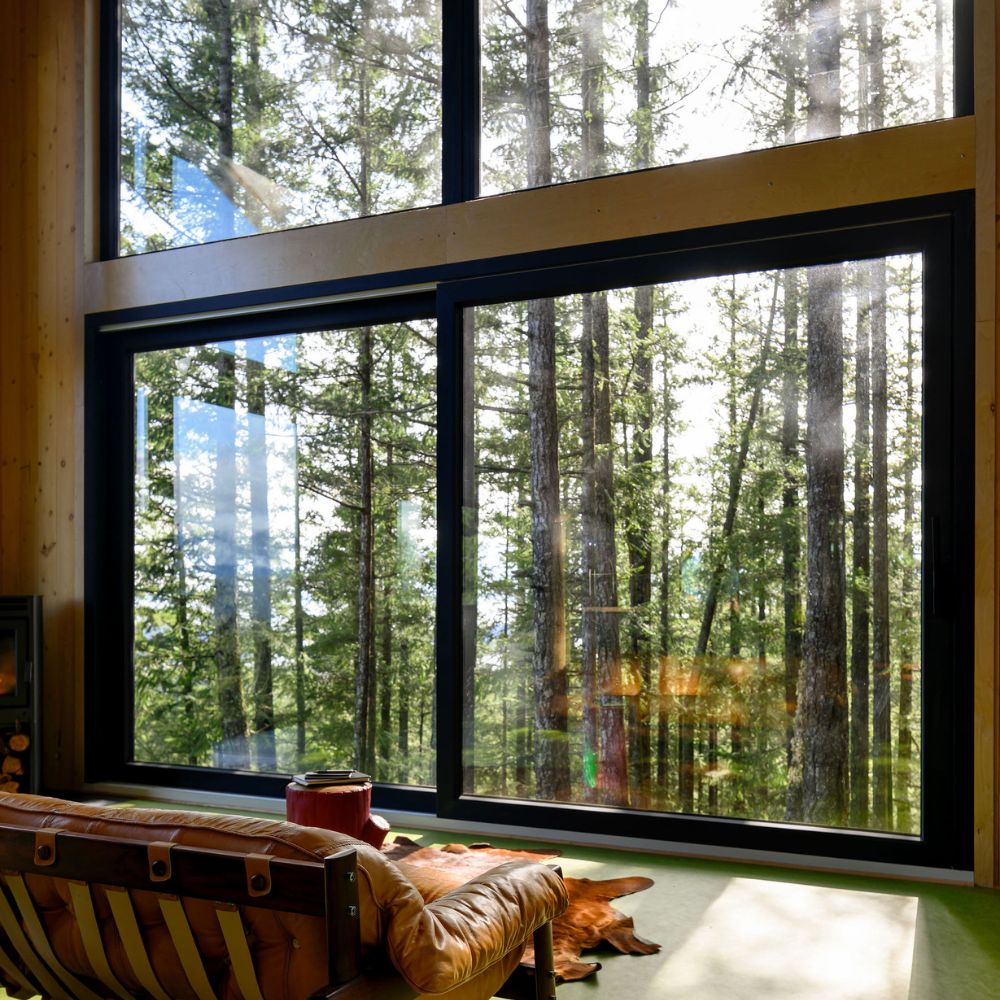
An eco-friendly, nurturing space with a distinct character leaves a lasting impression. After a visit, you depart with a greater appreciation for nature, shaped by its one-of-a-kind architecture. The Defender 76TS window system frames breathtaking views of the Pacific Northwest, delivering expansive glazing, exceptional thermal performance, and long-term durability while blurring the lines between interior and exterior living.

Powered by Solar Energy
Built with sustainability in mind, this off-grid home is powered by solar energy and uses rainwater collection and filtration, along with an incinerating toilet. Mass timber construction replaces the need for steel, and minimal foundations help protect the surrounding forest by reducing disturbance to the land.
A Blend of Sustainability & Design
Small in scale yet big in intention, The Nest blends sustainability with distinctive design. It shows that modern architecture can be both forward-thinking and deeply connected to its surroundings. Suspended somewhere between a cozy cabin and a treetop hideaway, it provides more than just a getaway—it creates a true sense of shelter, comfort, and belonging.